César
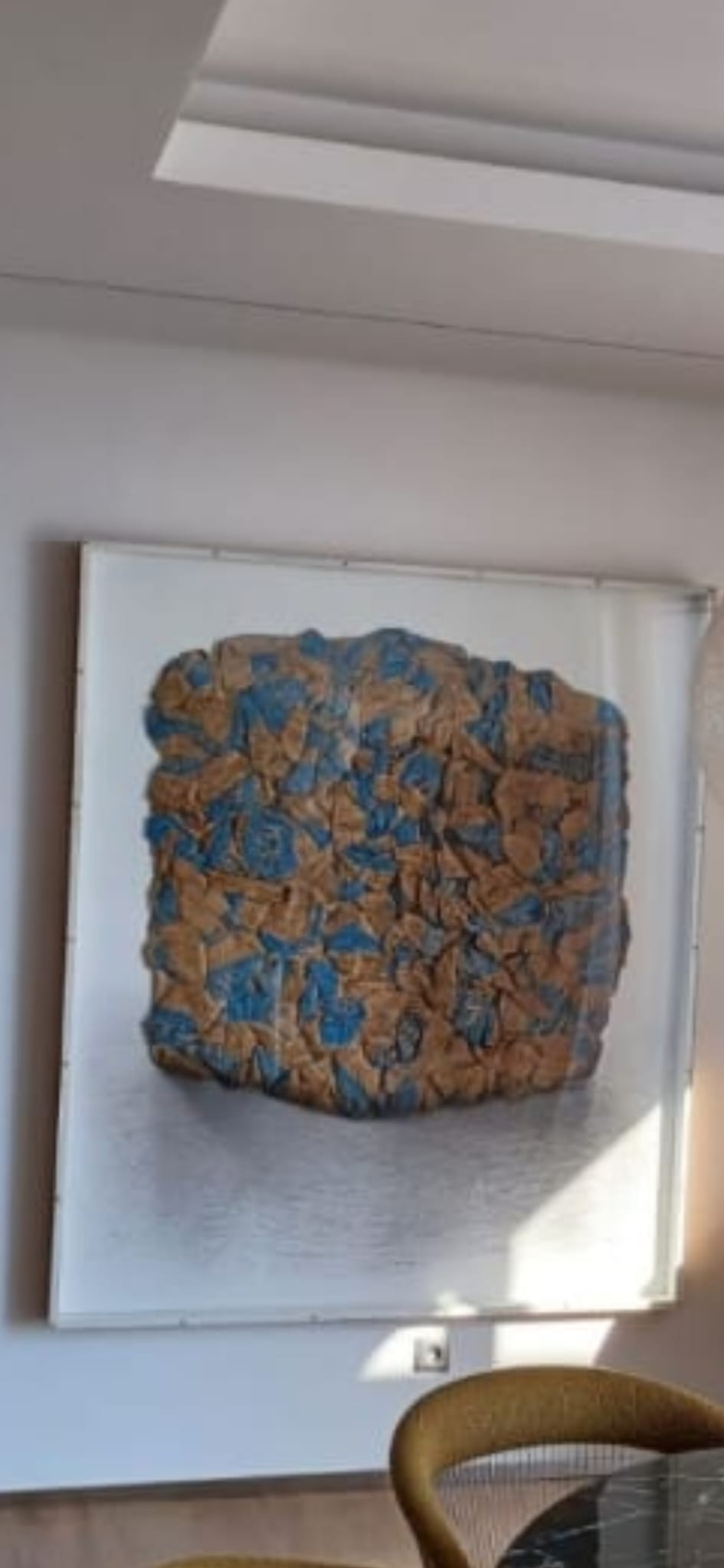
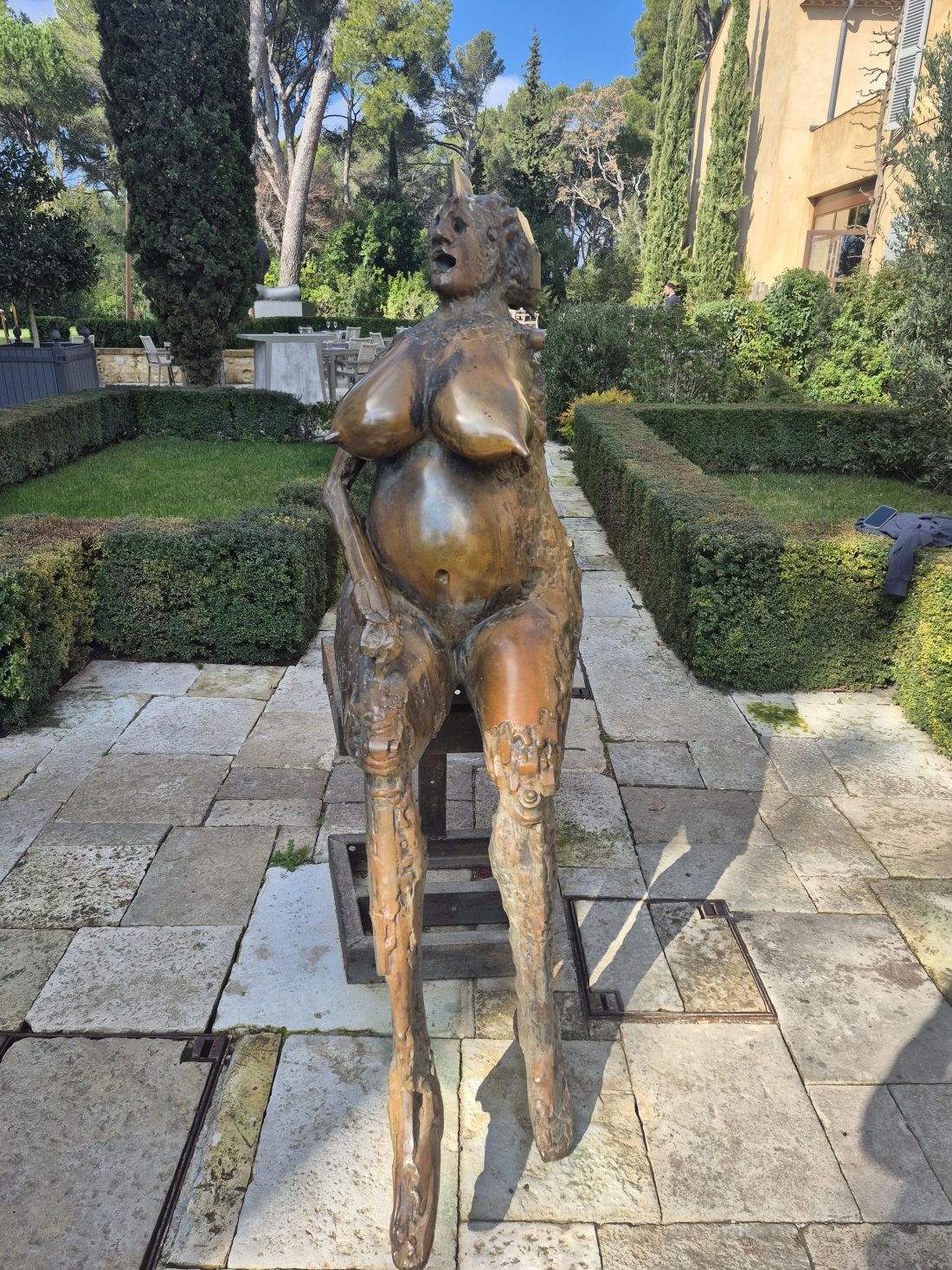
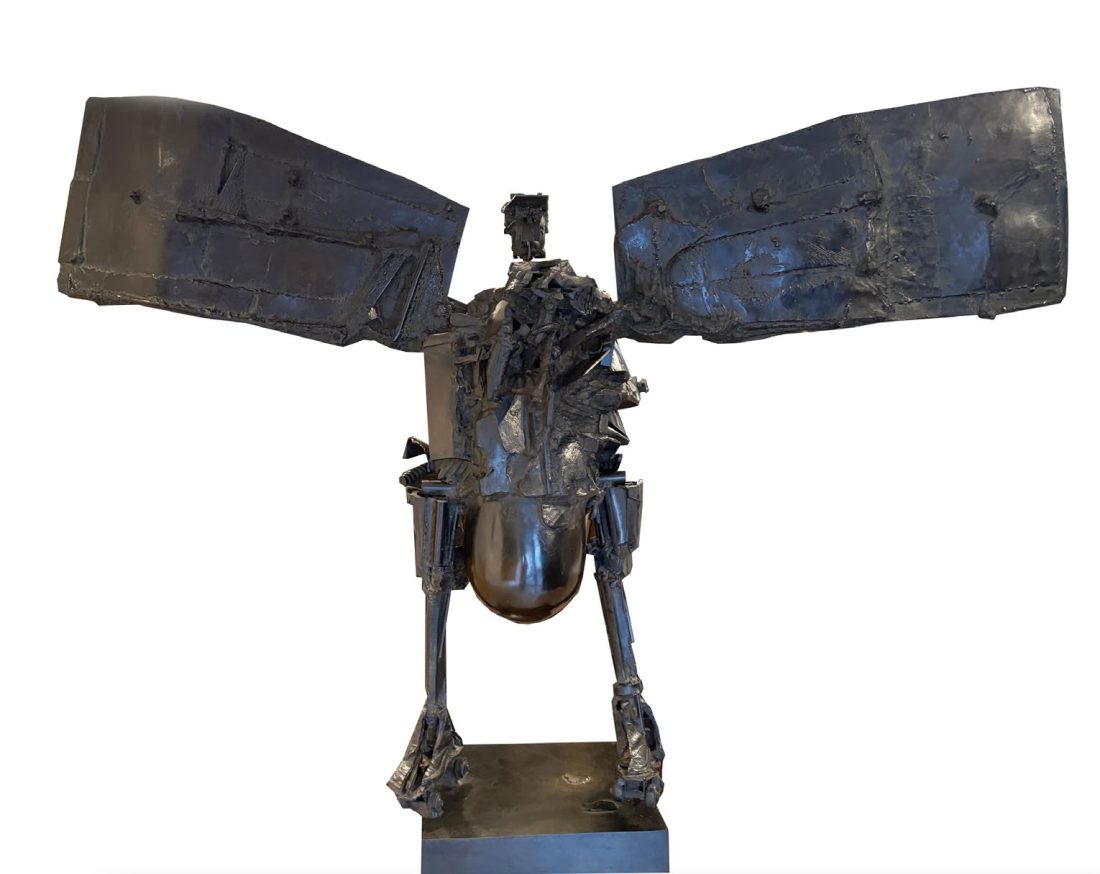
César Baldaccini, known as César (1921–1998), was a major French sculptor of the Nouveau Réalisme movement. Trained at the École des Beaux‑Arts in Marseille and then in Paris, he reinvigorated sculpture through his use of industrial materials and unconventional processes. From the 1950s he produced his welded ‘Fers’, before achieving renown with the ‘Compressions’ (from 1960): blocks of compressed car bodywork and metal objects, condensing a critique of consumer society with the poetry of crumpled forms. He then developed the ‘Expansions’ (1967): polyurethane pours that freeze movement, exploring gravity, fluidity and controlled chance, as well as the ‘Empreintes’ (casts of parts of the body), which extend his enquiry into presence and trace.
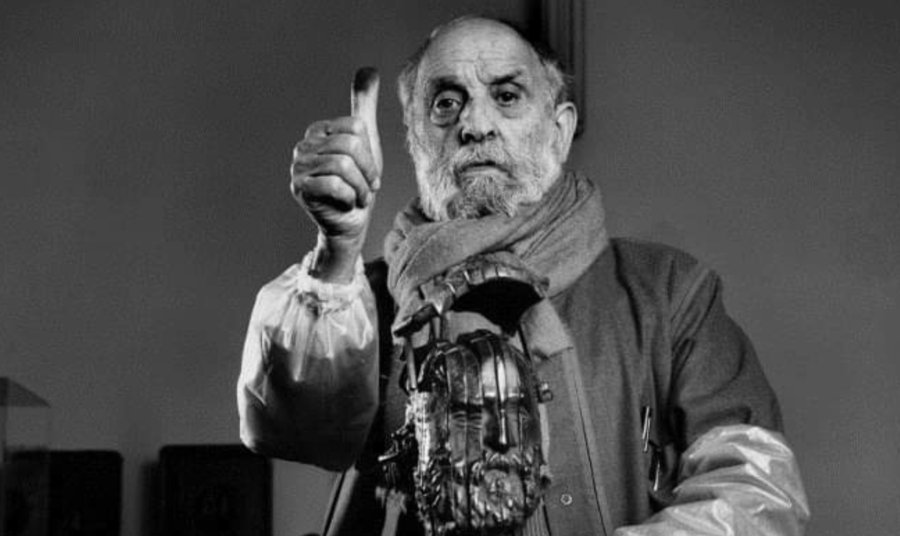
A founding member of Nouveau Réalisme (alongside Arman, Spoerri and Niki de Saint Phalle), César played a part in redefining the relationship between art and object, studio and factory, gesture and machine. Exhibited internationally (the Venice Biennale, museums across Europe and America), he also created monumental sculptures and in 1976 designed the trophy for the César awards of French cinema. His work, at the crossroads of raw materiality and technical invention, offers a critical archaeology of the industrial age, in which recycling, imprint and process become a sculptural language. References: Centre Pompidou catalogues; Musée d’Art Moderne de Paris; peer-reviewed articles on Nouveau Réalisme.